Dubrovnik to Kotor Drive | From €38/day | Car Hire Montenegro
Dubrovnik to Kotor Drive | From €38/day | Car Hire Montenegro
The road from Dubrovnik to Kotor is one of those drives that ruins you for all other road trips. It’s just 90 minutes — or two hours if you’re taking the scenic inland route — but that stretch along the Bay of Kotor is genuinely one of the most beautiful coastal drives on the Mediterranean. Most tourists take a tour bus or a ferry. That’s the lazy option. Renting a car in Dubrovnik and driving yourself gives you the freedom to stop wherever you want, take the inland mountain road if the coastal route is fogged in, and spend as long as you like at the viewpoints that the tour buses never stop at. Here’s everything you need to know before you go.
Two Routes: Coastal vs. Inland
There are two viable routes from Dubrovnik to Kotor, and which one you take depends on what you want from the drive.
The Coastal Route (M-1, via the border at Karasovići):
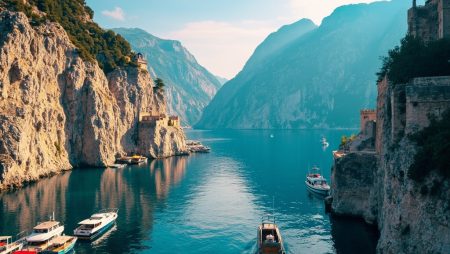
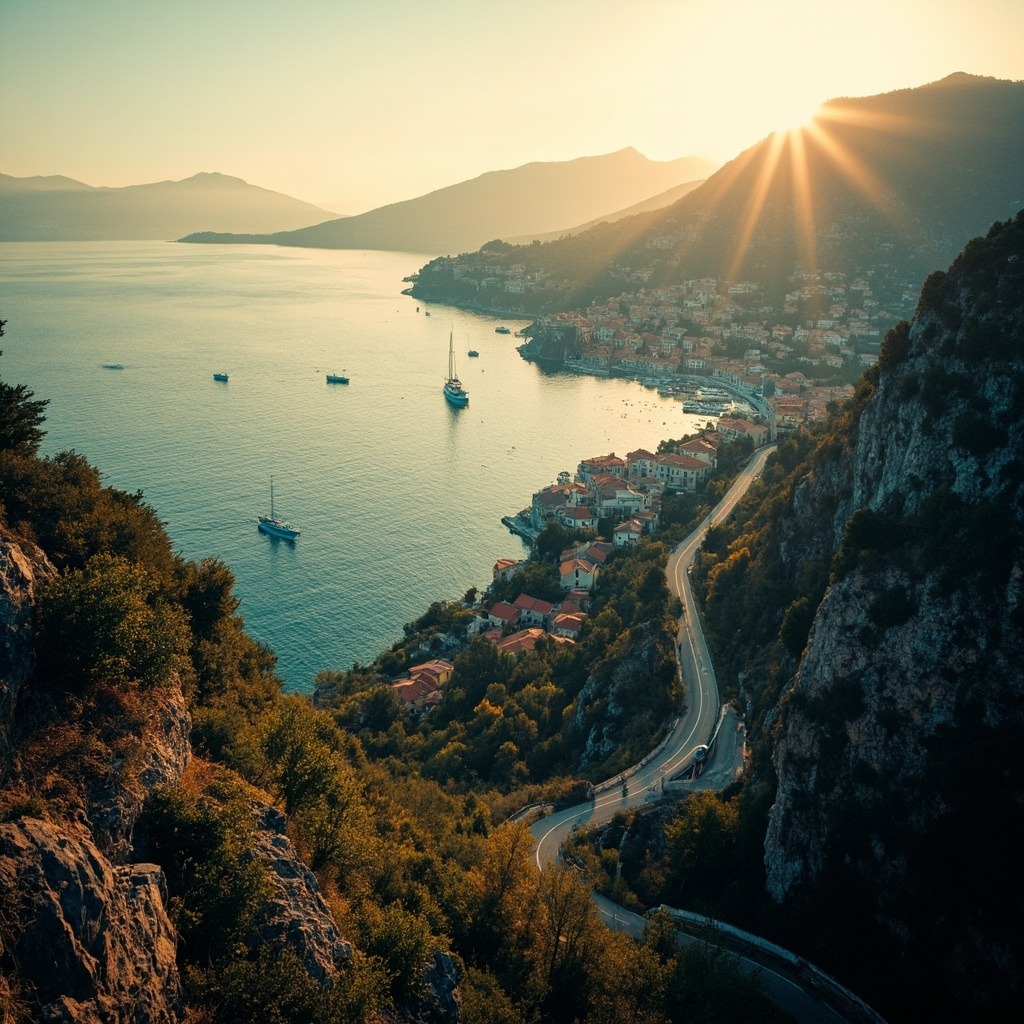
This is the iconic one. From Dubrovnik, you take the D8 north along the Dalmatian coast, then cross the Croatia-Montenegro border at Karasovići/Debeli Brijeg. Immediately after the border, the road becomes Montenegro’s M-1 and follows the eastern shore of the Bay of Kotor all the way to Kotor. The bay here is extraordinary — steep limestone cliffs plunge into crystal-clear water, tiny settlements cling to the hillsides, and the whole scene looks like it was designed for a travel poster. Driving time from Dubrovnik to Kotor via this route is approximately 1 hour 45 minutes to 2 hours, not including border crossing time.
The Inland Route (M-2 via Cetinje):
This is the road for people who’ve already done the coastal drive and want something different. From Dubrovnik, you head north on the M-2 through the Karst region to Cetinje, Montenegro’s old royal capital, then drop down the mountain to Budva and along the coast to Kotor. It’s longer — about 2.5 to 3 hours — but the Cetinje to Budva section is spectacular mountain driving through Lovćen National Park, with views across the entire Bay of Kotor from above. The inland road is also better maintained and less trafficked in winter.
Driving time: Coastal: 1h45m–2h. Inland: 2h30m–3h. Border crossing adds 15-60 minutes depending on season and time of day.
Border Crossing: What to Expect
The Croatia-Montenegro border at Karasovići (Croatian side) / Debeli Brijeg (Montenegro side) is one of the busier Balkan crossings in summer. It was a EU/Schengen external border, so non-EU passport holders should expect document checks that EU citizens skip.
In practice: EU citizens (including Australians with biometric passports) usually pass through in 10-20 minutes. Non-EU nationals can face longer queues — up to an hour at peak times. Summer weekends, particularly Friday afternoon and Saturday morning, are the worst. If you’re crossing in July or August, do it before 9am or after 4pm.
Documents you’ll need: Passport, driving licence, car rental agreement (the contract from your hire company). International Driving Permits are not required for EU or Australian licence holders but check with your rental company if your licence is in a non-Latin script.
Road Conditions on the M-1 Bay of Kotor
The M-1 along the Bay of Kotor is a two-lane road with sections of remarkable beauty and sections of genuine difficulty. Between Risan and Kotor, the road narrows considerably — it’s carved into the cliffside, with tunnels blasted through rock and very little margin for error. There are no crash barriers in some of the older sections. Drive it in daylight the first time, and keep your speed down.
In summer, this road is shared with significant tourist traffic, including buses and vehicles towing boats. Patience is essential — trucks cannot pass you on the narrow sections, so if you’re holding up traffic, pull over at one of the designated passing bays when it’s safe to do so.
Tolls
Montenegro has no toll roads on this route. Croatia’s D8 coastal road approaching Dubrovnik is toll-free. If you access Dubrovnik via the A1 motorway from Split or the north, you will pay motorway tolls — budget around €15-20 for the full Split to Dubrovnik journey on the A1. But the direct Dubrovnik to Kotor route via the coastal road incurs no tolls.
Parking in Kotor
Parking in Kotor Old Town is genuinely painful in summer. The old town is car-free inside the walls, but the streets immediately around it fill up fast. Your rental company’s no hidden fees policy means you won’t get surprise charges at the depot — but parking is a separate cost you’ll need to budget for separately. Official parking near the old town entrance runs around €5-10 per hour in peak season. Cheaper options exist at the harbour area a 10-minute walk from the old town or in the Dobrota neighbourhood to the south. Park there and walk — it’s nicer and you’ll avoid the chaos.
Driving Tips for the Bay of Kotor
- Drive it southbound first — Kotor to Dubrovnik as your first leg means you approach the most stunning viewpoints facing the bay, rather than having them appear behind you.
- Use the inland road in bad weather — if it’s foggy or raining on the coastal road, take the Cetinje inland route. The coastal road becomes genuinely hazardous in heavy rain due to reduced visibility and slippery surfaces in the tunnel sections.
- Honk on blind bends — it’s standard practice in Montenegro and the drivers on the M-1 expect it. A short horn blast before a hairpin is a courtesy, not road rage.
- Fuel up before you go — there are fuel stations in Dubrovnik and Herceg Novi, but once you’re on the bay road heading to Kotor, options are limited. Fill up at Herceg Novi if you’re not sure.
- Leave early in summer — the border and the coastal road are significantly less pleasant after 10am in July-August.
Is Hiring a Car for This Route Worth It?
Overwhelmingly yes, especially if you want to combine Kotor with visits to Budva, Lovćen National Park, or Perast. The coastal drive itself is worth the car hire — those viewpoints along the Bay of Kotor simply don’t exist on the tour bus route. Car hire in Dubrovnik starts from around €38 per day depending on the season, and that’s money very well spent for the freedom it gives you.
FAQ
Coastal or inland road — which is better?
For a first visit: coastal, without question. The M-1 along the Bay of Kotor is one of the great Mediterranean drives. The inland road via Cetinje is better as a return route, or if you’ve already done the coast and want different views.
How bad is the border crossing in summer?
Can be bad. Summer weekends see queues of 45-60 minutes at peak times. Do the crossing before 9am or after 4pm in July-August. Weekdays are significantly better.
Where do I park in Kotor?
Official lot near the old town: €5-10/hour. Cheaper: Dobrota or the harbour area, 10 minutes’ walk from the old town. Your car hire company’s depot is usually outside the old town — return there rather than trying to park inside the walls.
Can I do this drive in winter?
Yes, and it’s actually a better drive in many ways — less traffic, clearer weather, the bay is dramatic in winter light. The inland road via Cetinje is the better choice in winter as it handles snow better than the coastal road.
Related Destinations
Planning a Montenegro road trip? Explore car hire in Dubrovnik, car hire in Kotor, and car hire in Budva for the best rates on your Balkan adventure.