Driving in Montenegro Tips for Tourists | From €10/day | Rental Cars Montenegro
Introduction to Driving in Montenegro
Montenegro is a country of staggering natural beauty, where dramatic mountains plunge into the shimmering Adriatic Sea and historic towns dot the coastline. While public transport connects major hubs, the true magic of this Balkan gem lies in its hidden villages, panoramic viewpoints, and winding mountain passes—places you can only reach with the freedom of four wheels. However, driving in Montenegro is an adventure in itself. From navigating serpentine mountain roads to understanding local parking etiquette, being prepared is the key to a stress-free road trip. Whether you are picking up your vehicle in a coastal hub or the capital city, securing a reliable car rental with no hidden fees and free cancellation is your first step to an unforgettable journey. Here is everything you need to know about driving in Montenegro.
Road Rules and Regulations
Before you hit the road, familiarize yourself with the basic traffic laws. Like most of continental Europe, Montenegro follows right-hand traffic, meaning you drive on the right and overtake on the left. Seatbelts are mandatory for all passengers, and children under 12 must sit in the back. Using a mobile phone while driving is strictly prohibited unless you have a hands-free system.
When it comes to speed limits, standard rules apply unless signage dictates otherwise: 50 km/h in built-up urban areas and towns, 80 km/h on open roads and highways, and 80 km/h on motorways (though true motorways are currently limited in Montenegro). Be vigilant for speed traps and traffic police, who frequently monitor roads, especially during the peak summer months.
International Driving Permit Requirements
If you are planning to rent a vehicle, you must carry your valid domestic driver’s license at all times. However, for non-EU citizens, an International Driving Permit (IDP) is legally required. The IDP acts as an official translation of your home country’s license and must be presented alongside your original license when picking up your car rental. Even if you are from the EU and can use your standard license, carrying an IDP is highly recommended as it simplifies interactions with local authorities if you are stopped. Always ensure your documentation is in order to avoid fines or complications with your car rental insurance.
Navigating Mountain Roads and Serpentine Turns
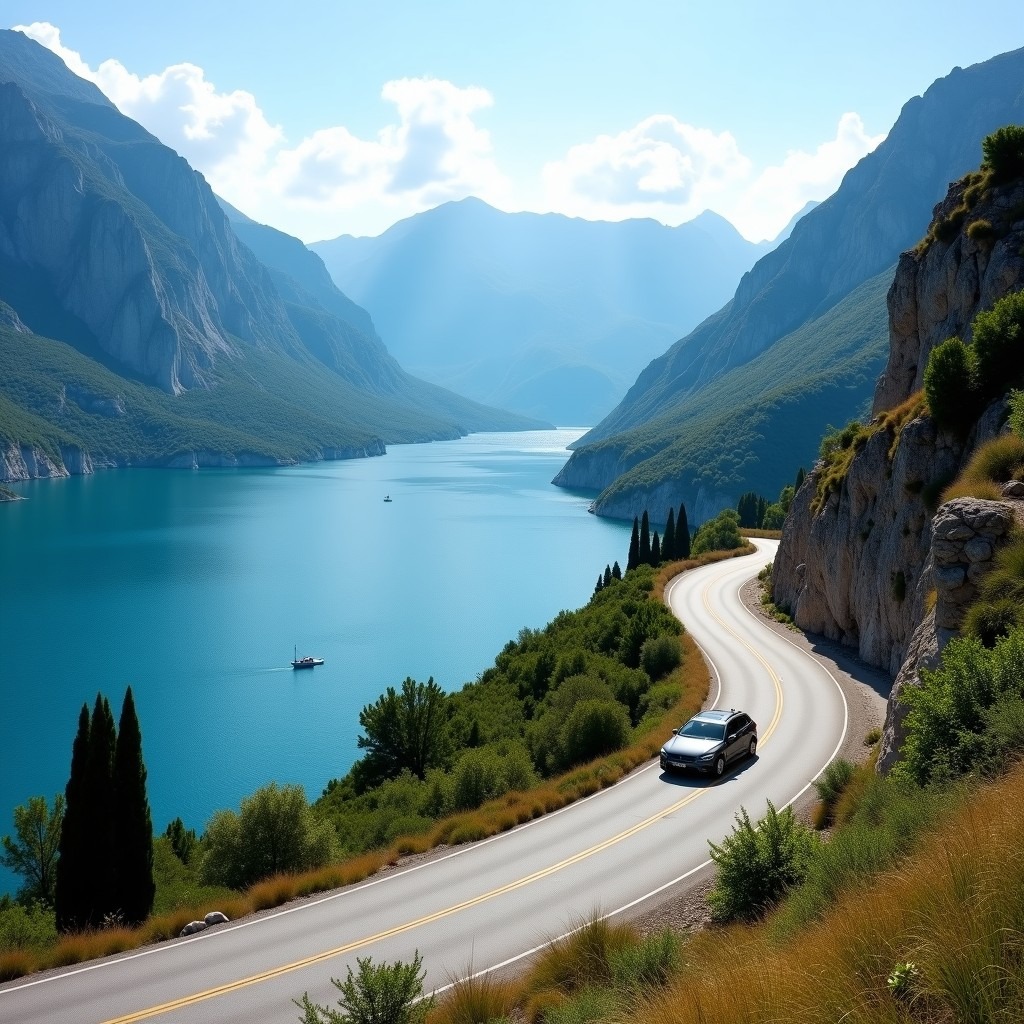
Montenegro’s name translates to “Black Mountain,” and you will quickly understand why as you traverse its interior. The mountain roads are spectacular but demanding. You will encounter endless serpentine turns—tight, winding switchbacks that climb steep elevations. Roads like the one leading to the Mausoleum on Lovćen or the Piva Canyon are narrow, often lacking guardrails, with sheer drops on one side.
When driving these routes, always stick to your side of the road, especially on blind corners. Use your horn on tight hairpin turns to alert oncoming traffic, and be prepared for impatient local drivers who might tailgate. Pull over safely at designated viewpoints to let faster vehicles pass. This allows you to enjoy the breathtaking scenery without the pressure of holding up traffic.
Kotor Bay Road Conditions
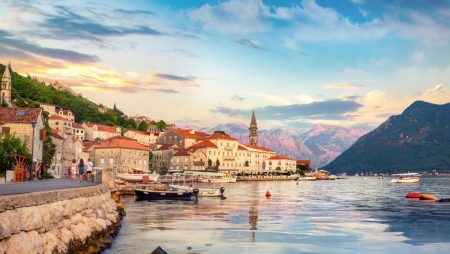
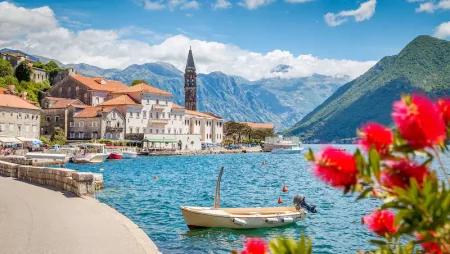
The Bay of Kotor, often called Europe’s southernmost fjord, is a must-visit destination. The main road (Jadranska Magistrala) loops around the bay, offering stunning waterfront views. However, Kotor Bay road conditions can be challenging, particularly during the summer. The coastal road is narrow, heavily congested, and shared by cars, tourist buses, and pedestrians.
Frequent small tunnels and tight turns require your full attention. If you are feeling adventurous, you might take the old mountain road over the Lovćen pass for a bird’s-eye view of the bay, but beware—this is a steep, serpentine route not for the faint-hearted. Alternatively, the main road around the bay is scenic and manageable if you take your time. Ensure your car rental includes comprehensive insurance for peace of mind on these tighter coastal roads.
Parking in Coastal Towns
Finding a parking spot in Montenegro’s bustling coastal towns like Budva, Kotor, and Tivat during the summer can feel like finding a needle in a haystack. Parking in coastal towns is divided into zones, typically color-coded: Red (up to 1 hour), Yellow (up to 2 hours), and Green (up to 3 hours). You must pay at a nearby kiosk or via SMS and display the ticket on your dashboard.
Many hotels offer private parking, but always confirm this in advance. If you opt for private parking lots, agree on the price before leaving your car. To avoid the headache of searching for a spot, consider parking slightly outside the old town centers and walking the remaining distance. Always park in the direction of traffic flow—it’s a legal requirement—and never block local driveways, as towing is enforced.
Fuel Stations and Payment
You won’t struggle to find fuel in Montenegro, especially along the coast and main highways. Major chains like EKO, Ina, and Petrol have well-maintained fuel stations and payment is generally straightforward. Most larger stations accept international credit and debit cards, though carrying some cash (Euros) is wise for remote village stations.
It is customary in Montenegro for attendants to pump your fuel for you; simply tell them the amount or say “full” (pun rezervoar). Unleaded petrol is labeled “Benzin,” and diesel is “Dizel.” If you are venturing into the northern mountains, make a habit of filling up before you leave a major town, as stations become sparse in the highlands.
Ferry Crossings: Kamenari-Lepetane
To save time driving all the way around the inner bay of Kotor, you can take the ferry crossings (Kamenari-Lepetane). This short, 10-minute shuttle connects the eastern and western shores of the Bay of Kotor, cutting about an hour off your drive time. The ferries run continuously from early morning until late at night, with increased frequency during the summer.
You simply drive your car rental onto the vessel, park as directed, and wait in your vehicle or step out to enjoy the sea breeze. Payment is made at the toll booth before boarding. Keep some cash handy just in case the card machines are down, and be prepared for queues during peak daytime hours in July and August.
Border Crossings: Croatia, Bosnia, Serbia, and Albania
Montenegro’s strategic location makes it an excellent starting point for a Balkan road trip, but border crossings (Croatia, Bosnia, Serbia, Albania) require patience. In the summer, waits at popular crossings like Debeli Brijeg (Croatia) or Sukhoran/Grdan Selo (Albania) can easily exceed two hours. Travel early in the morning or late at night to avoid the worst of the traffic.
When crossing borders, ensure you have your passport, car rental agreement, and vehicle registration documents ready. If you plan to cross into Albania, check with your car rental provider in advance, as some companies restrict vehicles from entering Albania due to insurance regulations. Always declare any border crossings when booking your rental to ensure you have the necessary “green card” insurance coverage.
Winter Driving in the Mountains
While the coast enjoys mild, Mediterranean winters, the mountain interior is a completely different story. Winter driving in mountains is not for the unprepared. From November to March, heavy snowfall, black ice, and dense fog are common on elevated passes like Žabljak and Kolašin.
By law, vehicles must be equipped with winter tires or carry snow chains from November 15th to April 1st. Reputable car rental services will provide these upon request, but you must reserve them in advance. Drive slowly, keep your lights on, and check weather forecasts before heading into the mountains. If a pass is closed due to avalanches or snow, do not attempt to navigate it—wait for authorities to clear the road.
Tunnel Safety
As you travel through Montenegro, particularly on the route from the coast to Podgorica or through the mountains, you will encounter numerous tunnels. Tunnel safety is paramount. Many older tunnels lack modern lighting, so always turn on your headlights before entering. Do not overtake inside a tunnel, maintain a safe distance from the vehicle ahead, and keep to the speed limit.
The longest and most significant is the Sozina Tunnel, which cuts through the mountains connecting Skadar Lake to the coast. While it is a modern, well-lit toll tunnel, others in the countryside can be narrow and damp. Stay alert, watch your speed, and you will navigate them without issue.
Related Destinations
Ready to explore the stunning landscapes of Montenegro? Start your journey with a trustworthy car rental that offers no hidden fees and free cancellation, ensuring your road trip is as smooth as the coastal highways. Discover our top destinations for picking up your vehicle:
- Explore the stunning Bay of Kotor by car
- Discover the Adriatic coast from Budva
- Begin your adventure in Montenegro’s capital
- Start your coastal journey in Tivat
Ready to book? Visit our homepage for the best hire car deals.