Discover the Beauty of Kotor with a Rental Car
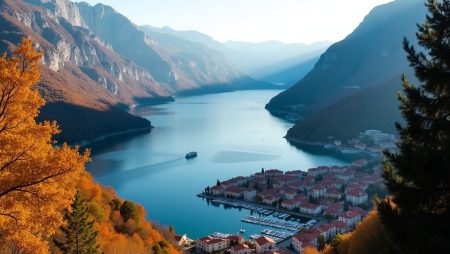
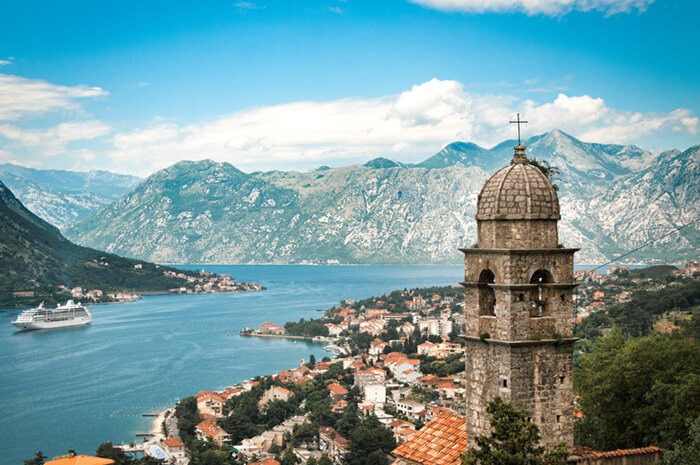
Kotor looks like someone photoshopped a medieval port town, a fjord, and a mountain fortress that eats a thousand steps into one frame. That’s not an exaggeration — the Bay of Kotor (Boka Kotorska) is often called Europe’s southernmost fjord, even though technically it’s a submerged river canyon. The Old Town is a UNESCO World Heritage site. The fortress walls climb 1,350 steps to the Church of Our Lady of Remedy and then another few hundred to the Castle of San Giovanni at the top. And in summer, cruise ships disgorge thousands of people into streets built for hundreds.
Here’s the thing about Kotor: if you only see the Old Town and the cruise-ship-tour version of the bay, you’ve missed the point. The real Kotor — the one with empty stone villages, hidden pebble beaches, and lunch spots where the owner also caught the fish — requires a rent a car Kotor strategy. This isn’t a walkable-city destination. It’s a driving region.
The Old Town: Worth It At the Right Time
Kotor’s Stari Grad is a maze of alleyways, squares, and churches wedged between the mountain and the water. The main landmarks — St. Tryphon’s Cathedral (1166), the Maritime Museum, the Church of St. Luke (1195) — take about two hours to see properly. Go at 8 AM or after 6 PM. Between 10 AM and 4 PM in July and August, the Old Town is a human traffic jam and the experience drops sharply.
The fortress walls: climb them. But do it at 7 AM or after 5 PM in summer. The stone stairs radiate heat and there’s zero shade. Bring water — more than you think. The ticket is €8 (2024 price) and the climb takes about 45 minutes to San Giovanni if you’re fit. The view from the top, looking down at the red-roofed town and the bay stretching toward Perast, is the reason you’re here.
Why a Car Changes Everything in Kotor
Parking inside the Old Town walls doesn’t exist for visitors. The town is pedestrian. But with a rent a car Kotor pickup, you park outside (lot by the Kamelija shopping center or along the waterfront near the bus station) and then use Kotor as your base to explore the bay properly.
The bay is about 28 km of shoreline, and the road around it — the so-called “Bay of Kotor ring” — is 40 km door-to-door from Kotor back to Kotor. Every kilometer has a pull-off worth taking.
The Bay of Kotor: A Driving Loop You Should Actually Do
Kotor → Perast (15 minutes)
Perast is the highlight of the bay and it’s barely a village — one main street, a few baroque palaces, and two tiny islands in the water. Our Lady of the Rocks (Gospa od Škrpjela) is the famous one — a man-made island built over centuries by sailors dropping stones and sinking old ships. A boat taxi from the Perast waterfront costs €5 round-trip. The church interior has 68 baroque paintings by Tripo Kokolja. The adjacent island, St. George, is a monastery — closed to visitors, but photogenic.
Eat at Konoba Školji in Perast. It’s small. The black risotto and grilled squid are what you want.
Perast → Risan → Herceg Novi → Verige Ferry (1 hour total)
From Perast, continue along the bay road north. Risan has Roman mosaics — the Villa of Hypnos from the 2nd century AD, with floor mosaics of the god of sleep. It’s €3 and you’ll have the place to yourself.
Herceg Novi is the bay’s most lived-in town, less touristy than Kotor, with a tangled Old Town built into a steep hillside. The Kanli Kula fortress has an open-air cinema in summer. The Savina Monastery, tucked into a pine grove above town, dates to 1030.
From Herceg Novi, drive toward the Verige ferry — a short car ferry across the narrowest point of the bay (€4.50, runs continuously). It saves you 20 minutes and gives you the best angle on Perast from the water.
Verige → Tivat → Kotor (30 minutes)
The ferry drops you near Lepetane. Follow the road past Tivat — Porto Montenegro is here, a luxury marina with superyachts and overpriced cocktails. It’s worth a drive-through to see how the other half vacations, but you don’t need to spend money here. If you’d prefer to pick up your car closer to the bay, Tivat Airport is right next door.
The road back to Kotor hugs the waterfront. Pull over at Prčanj — a quiet village with a long stone waterfront promenade, several baroque palaces, and zero crowds. This is where you realize most visitors to the bay never leave Kotor Old Town + Perast, and they’ve missed half of it.
The Serpentine: Kotor to Lovćen
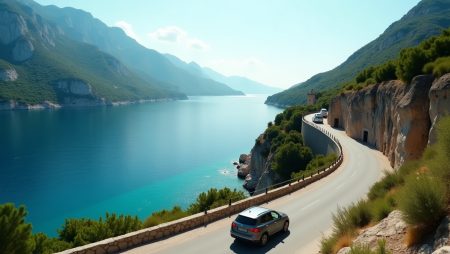
This is the drive. From Kotor, take the road marked P1 toward Cetinje. It climbs 25 numbered hairpin turns up the mountainside, and every switchback adds altitude and view. The old Austro-Hungarian road was built in 1879 — the stone retaining walls are original. At turn 22 or so, pull into the viewpoint. You’ll see the entire bay, Kotor’s red roofs, the cruise ships looking like bath toys. On a clear day you can see all the way to Italy.
The road eventually enters Lovćen National Park (€3 entry). If you’re starting from Podgorica, the approach to Lovćen via Cetinje is gentler and equally scenic. Park at the top lot and climb the 461 steps through a tunnel to Njegoš’s Mausoleum. Petar II Petrović Njegoš was Montenegro’s prince-bishop and greatest poet. His tomb sits at 1,660 meters inside a granite mausoleum designed by Ivan Meštrović. Behind it, a circular viewing platform gives you a 360-degree panorama — mountains in every direction, the coast a thin blue line to the west.
Where to Eat Around Kotor (That Aren’t Tourist Traps)
The Old Town restaurants on the main squares charge cruise-ship prices for mediocre food. Here’s where to go instead:
Bastion 3 — tucked near the northern gate. Grilled meats, seafood buzara (stew), honest portions. Konoba Scala Santa in the Old Town (up a side alley, you’ll find it) is also solid.
Outside the walls: Galion sits on the water just south of town with a terrace over the bay. Pricier but the setting is unmatched. Stari Mlini in Ljuta (5 minutes toward Perast) is an old mill converted into a restaurant — stream running through it, stone walls, incredible seafood. Book ahead in summer.
For burek (flaky pastry filled with meat or cheese), go to any bakery with a queue of locals. There’s one on the main road just outside the Sea Gate. €2 and it’s a meal.
Practical Kotor Parking and Driving Advice
Kotor has exactly one traffic artery along the waterfront and it clogs in summer. If you’re staying in or near the Old Town, park once and walk. The Kamelija parking lot (paid, reasonable rates) is your best bet — it’s a five-minute walk to the Sea Gate. There’s also lot behind the bus station and street parking along the waterfront if you’re lucky. Don’t park on sidewalks or marked zones — the municipal police ticket aggressively.
If you’re driving the serpentine: the road is narrow but two-lane throughout. Go slow on hairpins and honk before blind ones — locals do. Pull over at the designated viewpoints, not on the road itself. Summer weekends bring motorbike groups; stay in your lane.
For the bay loop: the road is generally good. The stretch through Risan is under reconstruction sporadically. The Verige ferry runs every 15–20 minutes in summer from about 6 AM to midnight.
Which Rental Car for Kotor
Small. Seriously, get something compact. The parking spots, the serpentine switchbacks, the narrow village streets — a Fiat 500 or similar car is what you want. Anything larger is a headache. Air conditioning is non-negotiable in summer. Book your rent a car Kotor in advance — or pick up from Budva if you’re splitting your stay between the bay and the open coast — the local agencies sell out in August. Use a platform to compare suppliers and find the best rate. No hidden fees. Return with the petrol you took it with.
If you’re flying in, Tivat Airport is only 7 km from Kotor. You can be parked at Kamelija and walking through the Sea Gate within 20 minutes of clearing passport control.