Kotor to Budva Drive Time | From €8/day | Rental Cars Montenegro
Kotor to Budva Drive Time at a Glance
The drive from Kotor to Budva takes roughly 30 to 40 minutes along the main coastal road, covering a distance of about 22 kilometres. It is short on mileage but long on views. The route hugs the edge of the Bay of Kotor for the first half, then climbs above the coastline before dropping into Budva, giving you some of the most photographed scenery in Montenegro in under half an hour.
During July and August, that same 22-kilometre stretch can take 50 minutes to over an hour. Tour buses, rental cars, and locals heading to the beach clog the road, and the single-lane sections through the tunnels near Tivat become bottlenecks. If you are driving in peak season, leave Kotor before 09:00 or after 18:00 for a cleaner run.
For a quick summary before you set off:
- Distance: ~22 km via the coastal road (E65/E80)
- Typical driving time: 30 to 40 minutes
- Peak season time: 50 to 70 minutes (July–August)
- Road type: Coastal highway, partly dual carriageway, partly narrow with tunnels
- Tolls: None on this stretch
- Best departure times: Before 09:00 or after 18:00 in summer
The Coastal Route: E65/E80
There is really only one practical way to get from Kotor to Budva by car, and that is the E65/E80 coastal highway, known locally as the Jadranska magistrala. From the Old Town of Kotor, head south through the Dobrota waterfront area and pick up the signs for Tivat and Budva. The road is well marked in both Latin and Cyrillic script, and GPS signal is reliable along the entire route.
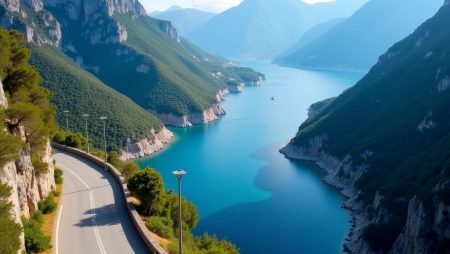
The first 10 kilometres run along the inner edge of the Bay of Kotor, past small stone villages and anchored yachts. The water is calm here, and the mountains rise steeply on your left. It is one of the most beautiful short drives on the Adriatic, but it is not a road for sightseeing from behind the wheel. The lane is narrow in places, local buses pull out without warning, and cyclists use the same tarmac. Pull over at one of the designated viewpoint bays if you want to take photos.
At Lepetane, you cross a short stretch where the road narrows to a single lane through a pair of tunnels. This is where summer traffic grinds to a halt. The tunnels are well lit and in decent condition, but they force alternating traffic, and buses struggle to squeeze through. Once you clear the second tunnel, the road opens up into a wider coastal plain around Tivat, which is roughly the halfway point. From Tivat, it is another 12 to 15 minutes to Budva on a faster, straighter section of road.
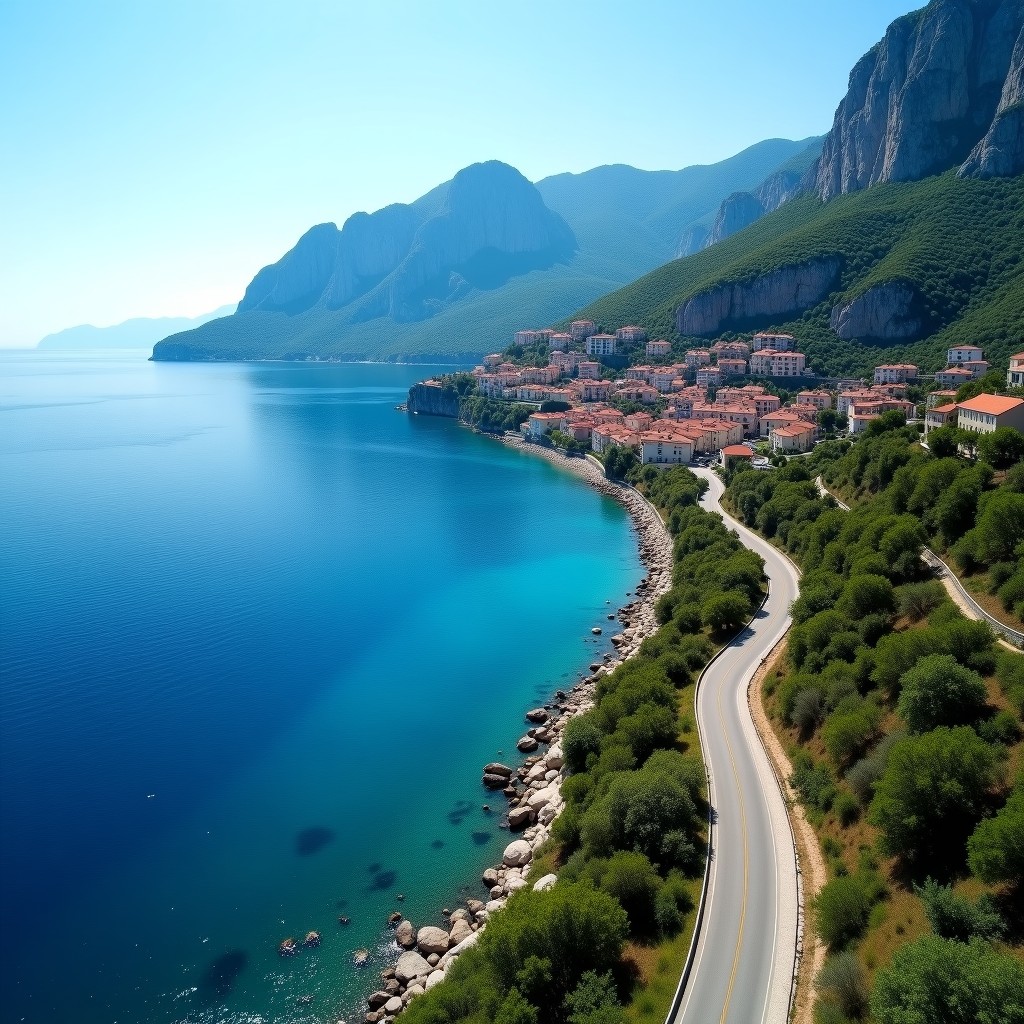
The final approach to Budva drops down from a low ridge and gives you a sudden panoramic view of the coast. The Old Town sits on a rocky peninsula below, and the modern resort strip stretches along Slovenka Plaža. Traffic lights and roundabouts start appearing here, and the speed limit drops to 50 km/h, then 40 km/h as you enter the town centre.
Road Conditions and What to Watch For
Montenegro has invested heavily in its coastal road over the last decade, and most of the Kotor to Budva stretch is now in good condition. The surface is smooth asphalt, drainage works, and there are guardrails on the drop-side curves. That said, there are a few things that catch first-time visitors out:
- Tight corners: The bay-side section has several blind bends where locals overtake without hesitation. Stay alert and do not assume oncoming drivers will yield.
- Tunnel fog: The Lepetane tunnels occasionally have standing water and poor ventilation. Switch on your headlights, even in daylight, and keep a safe distance from the vehicle ahead.
- Summer heat on brakes: If you are driving a small rental with drum brakes, the descent into Budva can overheat them if you ride the pedal. Use engine braking where possible.
- Pedestrians and mopeds: In the villages between Kotor and Tivat, pedestrians cross the road without looking, and teenagers on scooters weave between traffic.
The speed limit varies along the route: 60–80 km/h on the open coastal sections, 50 km/h through built-up areas, and 40 km/h near Budva. There are speed cameras near Tivat and at the Budva town limit, and Montenegrin police patrol the road regularly in summer. Fines are payable on the spot and start at around €40.
Parking in Budva: What You Need to Know
Parking in Budva is a different challenge from the drive itself. The Old Town has no vehicle access, so you will need to leave your car in one of the surrounding garages or open lots.
- Public garage near Slovenska Plaža: €1.50 to €2 per hour in summer, cheaper in shoulder season. Clean, secure, and a 5-minute walk to the Old Town gates.
- Street parking along the promenade: 50 cents to €1 per hour, but spaces disappear by 10:00 in July and August.
- Hotel parking: If you are staying overnight, most hotels in Budva include parking in the rate or offer a daily rate of €5 to €10.
Tip: Download the M Parking Budva app if you plan to use street bays. It saves you from hunting for coins and lets you extend your session remotely. The app works in English and accepts foreign cards.
Is There an Alternative Route?
There is no meaningful inland alternative that avoids the coastal road entirely. The mountains rise almost immediately behind Kotor, and the old mountain road to Cetinje adds well over an hour and involves steep, narrow switchbacks. If the coastal road is blocked by an accident or heavy traffic, your best option is to wait it out at a cafe in Dobrota or Muo rather than attempt a detour.
Some navigation apps suggest a route through Tivat Airport and the Vrmac tunnel as a shortcut. It shaves off roughly 3 to 4 kilometres but involves more roundabouts and airport traffic. In summer, this route is rarely faster. Stick to the main coastal road unless you are familiar with local driving patterns.
Car Hire for the Kotor to Budva Run
Most travellers on this route pick up a rental in Kotor, Budva, or at Podgorica Airport. A compact economy car is fine for the coastal road, though a vehicle with air conditioning is strongly recommended in July and August when cabin temperatures can exceed 40°C in traffic.
Manual transmission dominates the Montenegrin rental fleet, so if you need an automatic, book early and expect to pay a premium. Daily rates for small manual cars start at around €8 to €12 in low season, rising to €18 to €25 in peak summer. All quotes include tax, and we work with suppliers that operate with no hidden fees and full transparency on insurance excesses.
Before you drive, check that your rental agreement covers the coastal highway fully. Some cheaper policies exclude certain road types or apply higher excesses for damage caused by poor road surfaces, which is worth knowing given the narrow tunnel sections. Compare trusted suppliers and lock in a competitive rate before you arrive.
Things to Stop for Along the Way
If you have time, the Kotor to Budva drive is not one to rush. There are a few spots worth pulling over for:
- Dobrota waterfront: A string of old captain’s houses and seafood restaurants 5 minutes from Kotor’s walls. Better value than Kotor’s Old Town for a mid-morning coffee.
- Tivat promenade: Porto Montenegro is overpriced for most budgets, but the public promenade is a pleasant place to stretch your legs and watch yachts come in.
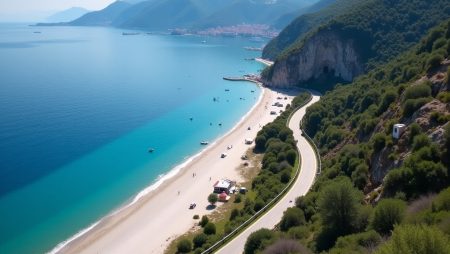
- Plavi Horizonti beach: Just before the final descent into Budva, a small sign points to a quiet cove with clearer water than the main Budva beaches. Parking is limited but free if you arrive early.
For more on navigating Montenegro by car, see our driving in Montenegro guide, which covers local rules, tolls, and what to expect on mountain roads.
Related Destinations
If you are building a Montenegro coastal itinerary, these pages will help:
- Car rental Kotor — pick-up and drop-off options in the bay
- Car rental Budva — local rental offices and parking advice
- Driving in Montenegro — speed limits, road rules, and local habits
- Cross-border travel rent a car Montenegro — what you need before leaving the country
Frequently Asked Questions
How long does it take to drive from Kotor to Budva?
30 to 40 minutes under normal conditions, covering roughly 22 kilometres via the E65/E80 coastal road. In July and August, expect 50 to 70 minutes due to heavy tourist traffic.
Is the Kotor to Budva road dangerous?
Not especially, but it requires attention. The road is narrow in places, has tunnels with limited visibility, and local drivers overtake aggressively. Drive defensively and use headlights in tunnels.
Are there tolls between Kotor and Budva?
No. There are no tolls on the coastal road between Kotor and Budva. The only toll roads in Montenegro are the motorway sections near Podgorica.
Can I park near Budva Old Town?
The Old Town itself is pedestrian-only, but there are public garages and street bays within a 5-minute walk. Expect to pay €1.50 to €2 per hour in summer. Arrive early if you want street parking.
What is the best time of day to drive from Kotor to Budva?
In summer, leave Kotor before 09:00 or after 18:00 for the smoothest journey. Midday traffic is heavy with beach-goers and tour buses. In spring and autumn, any time of day is fine.
Ready to book? Visit our homepage for the best hire car deals.