Discover the Beauty of Montenegro with a Rental Car
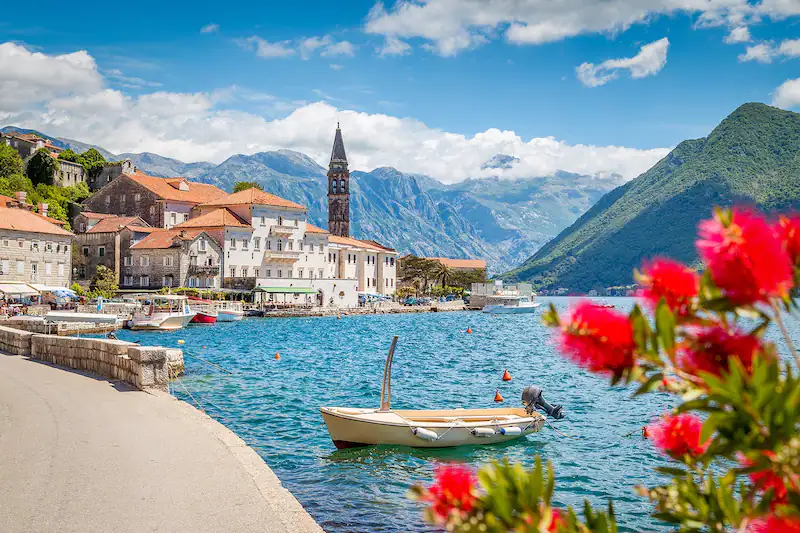
Montenegro is the kind of place that sounds made up when you describe it to someone who hasn’t been. Mountains that drop straight into the Adriatic. Venetian stone towns wedged into fjord-like bays. Lakes so still they reflect the sky like a mirror. And the whole country is smaller than Connecticut — you can drive from one end to the other in about four hours.
That last part is the thing most visitors don’t grasp until they arrive. The buses exist. The trains… there’s basically one line that matters, and it goes from Bar to Belgrade. Taxis will drain your budget faster than you’d believe. If you actually want to see Montenegro — not just the postcard version from a tour bus window — you need a rental car in Montenegro.
Here’s why: the best things in this country aren’t at the bus stops. They’re at the end of a switchback road above Kotor. They’re on a gravel track leading to a winery in Crmnica. They’re in villages around Lake Skadar where the only restaurant doesn’t have a sign, just smoke coming from a stone chimney. A car changes everything.
Why Public Transport Won’t Cut It
Let’s be honest. The bus network connects the main towns — Podgorica, Budva, Kotor, Herceg Novi, Bar. If your itinerary is “beach, Old Town, next beach,” you can probably make it work. But the buses run on Balkan time. A schedule that says 10:15 might mean 10:40. Or 9:55. Or the bus might be full and the driver waves you off and you wait another hour in the sun.
More importantly, the places worth seeing — the Prokletije mountains on the Albanian border, the Piva Monastery in the north, the Grlo Sokolovo viewpoint above Kotor, the hidden beaches of the Luštica peninsula — none of these have bus service. Zero. You either drive or you don’t go.
What You Can Actually See With a Car
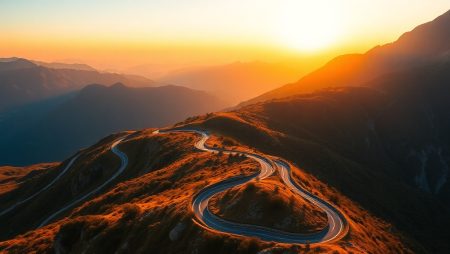
With a rental car Montenegro pickup from Podgorica or Tivat airport, your trip opens up completely. Drive the serpentine road up to Lovćen National Park — 25 hairpin turns, each one revealing a wider view of the Bay of Kotor below. Park at the top, walk the last 461 steps to Njegoš’s mausoleum, and stand at 1,660 meters looking at what feels like half the Balkans.
Head inland to Durmitor. The Tara River Canyon is the deepest in Europe — deeper than the Grand Canyon by about 200 meters. The road from Podgorica north through the Morača Canyon is an event in itself: sheer limestone walls, turquoise water, tunnels carved through rock. Stop at the Morača Monastery from 1252. The frescoes inside are original.
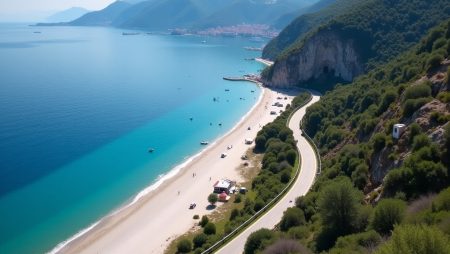
Then there’s Lake Skadar. The road from Virpazar down toward the Albanian border hugs the shoreline. Pull over anywhere. Watch the pelicans. Find a konoba (tavern) selling smoked carp and a glass of Vranac for under €10. These are the moments a tour bus can’t give you.
Driving in Montenegro: The Actual Reality
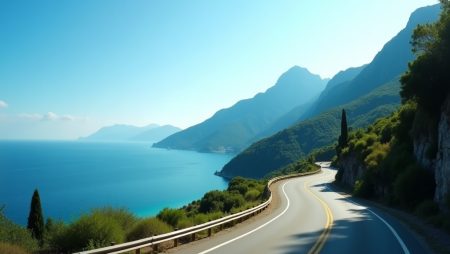
Montenegrin drivers are… assertive. They overtake on blind curves. They treat speed limits as suggestions. You’ll adjust quickly — just stay alert, keep right unless passing, and don’t take it personally when someone tailgates you through a tunnel. The roads themselves are better than they were ten years ago. The highway from Podgorica to the coast via the Sozina Tunnel is smooth and modern. The Adriatic Highway (Jadranska magistrala) along the coast is narrow in places but the views compensate.
Parking in the old coastal towns is the real headache. Kotor’s Old Town has basically zero parking inside the walls. Use the paid lots outside — there’s one by the shopping center Kamelija, about a five-minute walk to the Sea Gate. Budva’s Old Town is similar. Park at the large lot near the bus station on Popa Jola Zeca and walk in.
In the mountains, fuel stations get sparse. Fill up in Podgorica, Nikšić, or Bijelo Polje before heading deep into Durmitor or Prokletije. And download offline maps — Google Maps works in Montenegro but cell coverage vanishes on mountain roads.
Where to Pick Up Your Car
You have two main options: car hire Podgorica airport or car hire Tivat airport. Podgorica is the capital’s airport, about 11 km south of the city center. Tivat is on the coast, five minutes from the Bay of Kotor. Which one you pick depends on your itinerary. Coastal trip? Tivat. Mix of coast and mountains? Podgorica gives you better access to the interior.
Both airports have desks for multiple rental companies. We recommend you compare suppliers before booking — rates vary wildly by season. August can be triple the April price. Book ahead. No hidden fees — what you see in your quote is what you pay, provided you return the car with a full tank and no new dents.
A Rough One-Week Itinerary
Day 1: Pick up your rental car in Montenegro at Podgorica. Drive south to Lake Skadar, stop in Virpazar for lunch. Continue to Bar, see Stari Bar (the abandoned hilltop town, not the modern port). Overnight in Bar or head up to Budva.
Day 2: Budva — Old Town in the morning before the crowds, then Sveti Stefan (you can’t enter the island hotel, but the view from the road above is the photo everyone takes). Afternoon at Jaz Beach or Mogren Beach.
Day 3: The Bay of Kotor. Drive around the entire bay — Budva to Tivat, ferry across the Verige strait (saves 20 minutes), then Herceg Novi, around to Risan, and into Kotor. Climb the fortress walls in the late afternoon when the sun isn’t brutal.
Day 4: Day trip up the Lovćen serpentine. This is the drive everyone talks about. From Kotor, take the old road up the mountain — the views get progressively absurd. Continue to Cetinje, the old royal capital. The monastery and the old embassies (now museums) are worth a few hours.
Day 5: Head north. Drive to Žabljak via the Morača Canyon. Stop at the monastery. Overnight in Žabljak — it’s a ski town in winter, hiking base in summer. Cool even in August.
Day 6: Durmitor National Park. Black Lake (Crno Jezero) is the easy walk. If you’re fit, Bobotov Kuk is the highest peak and a full-day hike. Rafting the Tara River is an option if you book ahead.
Day 7: Drive back to Podgorica via the Piva Canyon and Nikšić. Stop at the Ostrog Monastery — carved into a vertical cliff face, it’s the most important pilgrimage site in the country and genuinely stunning even if you’re not religious.
This route hits coast, mountains, lakes, canyons, and culture. You can’t do it without a car.
What Kind of Car You Actually Need
For most of Montenegro, a small hatchback is fine. The roads are paved. The parking spaces are tight. A Fiat 500 or similar will get you up the Lovćen serpentine, through the Morača Canyon, and into every coastal town.
If you’re planning to explore farm tracks, mountain roads above Žabljak in winter, or the unpaved sections of the Prokletije, spring for something with higher clearance. A small SUV like a Dacia Duster handles everything Montenegro throws at it without burning fuel like a proper 4×4. In summer, air conditioning isn’t optional — it gets past 35°C (95°F) on the coast.
The Short Version
Montenegro is small enough that you can see a staggering amount in a week, but only if you can move on your own schedule. A rental car Montenegro pickup gives you that freedom. Book through a platform that lets you compare suppliers, check what’s included (insurance, mileage, second driver), and read the fuel policy. Fill the tank before returning it. That’s it. Balkan roads aren’t intimidating once you’ve driven them for a day, and what you get in return — empty mountain passes, hidden beaches, monastery views at sunset — is worth every switchback.