Parking in Kotor Old Town: Where to Leave Your Car and Avoid Fines
Parking in Kotor Old Town: What Every Driver Needs to Know
Vehicles remain outside Kotor’s walled Old Town, so drivers need to choose a legal space beyond the gates and continue on foot. Parking arrangements can change, and signs, access controls and the rates posted at the car park on the day take priority over older online advice. If you are collecting a vehicle through Kotor car rental or arriving from a Tivat car rental pickup, check your accommodation’s arrival instructions before setting off.
Why Parking Near Kotor Old Town Needs Planning
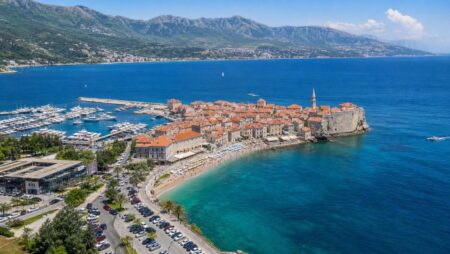
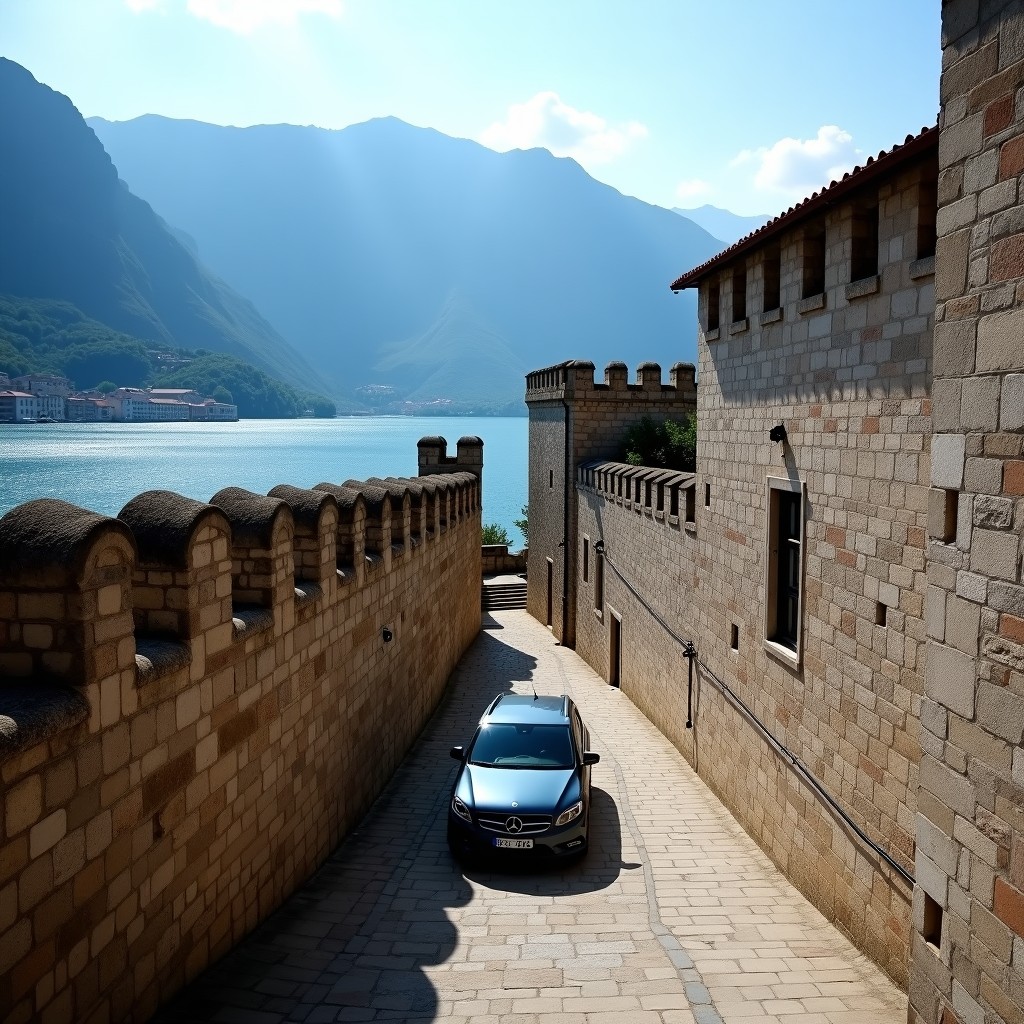
The Old Town is a compact pedestrian area within historic walls. Visitors should not plan to drive to accommodation or attractions inside the gates. The surrounding waterfront and road network also leave limited room for vehicles, so demand can be higher during the main visitor season and around busy arrival periods.
Allow time to follow local signs rather than stopping near a gate, loading area, bus space, driveway or other restricted place. For general road rules and preparation, read our guide to driving in Montenegro.
Where to Look for Parking
Signed car parks outside the walls are the clearest option for most visitors. Approaches and access arrangements can vary, so use current road signs and instructions from staff when present. Before leaving the vehicle, read the entrance board or payment notice for the current rate, operating hours, accepted payment methods and any time or vehicle restrictions.
Parking near the southern approach
Drivers arriving along the main coastal approach may see signed parking outside the southern side of the walls. This can be convenient for reaching the Old Town on foot, but availability is not guaranteed. Continue only where signs permit and do not queue or stop in a way that blocks through traffic.
Parking near the northern approach
There are also parking areas on the northern side of the Old Town. Follow the signed entrance rather than relying on an old map pin, because access and operating arrangements may change. Confirm the posted conditions before entering or leaving the vehicle.
Roadside and informal spaces
Do not assume that an unsigned roadside or residential space is free, legal or suitable for a visitor’s car. Kerb markings, temporary signs, resident controls and access requirements may apply even when other vehicles are present. If the status of a space is unclear, use a signed facility or ask your accommodation for current guidance.
How to Check the Current Parking Terms
- Read the sign at the entrance and any notice beside the payment point.
- Check the current rate, charging period and accepted payment method.
- Keep the ticket or payment confirmation until after you leave.
- Observe marked bays, height limits and any instructions from parking staff.
- Check the closing time and overnight rules if the car will remain after your visit.
Online reports about prices and availability can become outdated. The posted information at the facility is the practical reference on the day.
Busy-Period Planning
Parking demand can rise in summer and at busy visitor times. Leave extra time, avoid planning around a guaranteed space, and have a second signed car park in mind. If you are staying inside the walls, ask your host where guests should unload luggage and where they recommend leaving a vehicle. Do not enter a restricted area or stop at a gate unless current signs clearly allow it.
If nearby parking is full, follow official directions and continue to another signed facility. Avoid circling narrow streets while checking a phone; stop only in a legal place before changing your route.
Restricted Parking and Enforcement
Restrictions may protect pedestrian routes, loading areas, accessible bays, bus movements, emergency access and private entrances. Signs and road markings control whether stopping or parking is allowed. Enforcement arrangements and penalties can change, so this guide does not quote fixed fine or towing amounts.
If a rental vehicle is moved or issued with a notice, contact the rental supplier and follow the instructions on the notice. The supplier may also have an administration process under the rental agreement.
Overnight Parking
For an overnight stay, confirm that the chosen facility permits overnight parking and check its access hours before paying. Ask your hotel or apartment for the exact recommended facility and walking route, especially if you will arrive after reception hours. Do not rely on informal roadside or residential spaces for overnight use without clear local authorization.
Remove valuables from view and follow the security guidance displayed at the facility. Parking conditions do not replace the terms of the rental agreement, so check the supplier’s instructions if you are unsure about keys, documents or vehicle security.
Continue Your Montenegro Trip
Travellers continuing along the coast can compare the practical differences in our guide to parking in Budva. For a wider itinerary around the bay, use the Bay of Kotor road trip guide and allow flexibility for traffic and parking stops.
Before You Park
Keep the plan simple: remain outside the walled Old Town, choose a clearly signed legal space, read the posted conditions and continue through the gates on foot. Current signs, restrictions and posted rates are the authority on the day.